Field Guard Technician Alliance: Building a Closeout Record for Your Own Visits
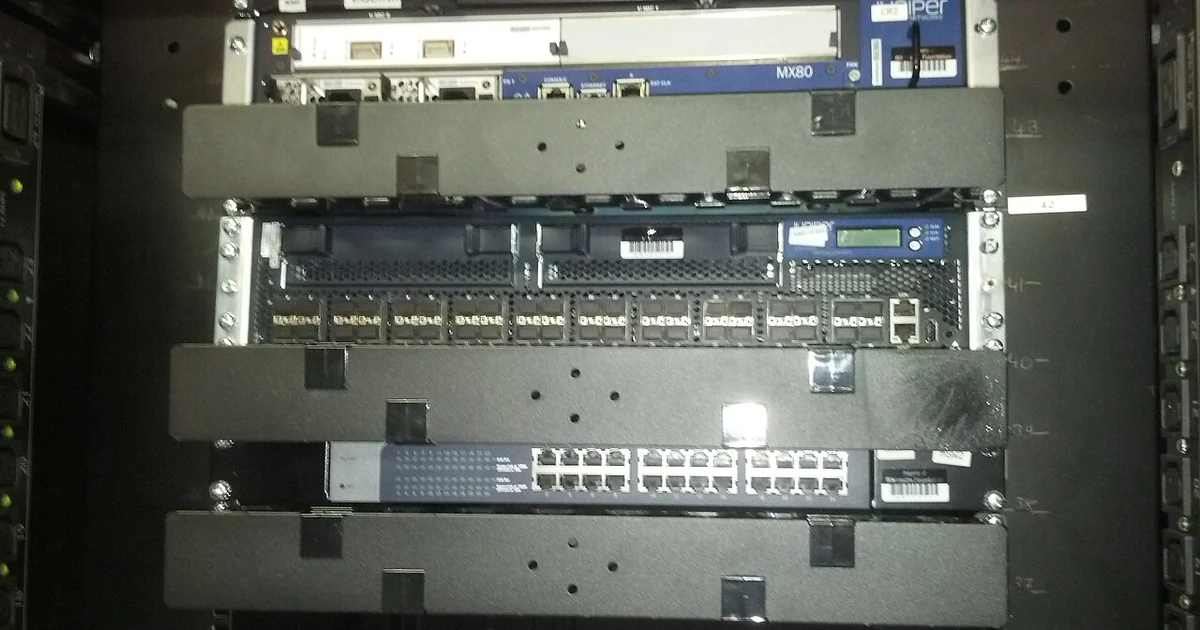
Field Guard Technician Alliance is a 1MatrixTech project for independent field technicians, and its educational material focuses on the work you do before, during and after a site visit. One of the most useful habits an independent technician can build is a closeout record: a short, organized summary written at the end of each job that states what was requested, what was performed, what was observed, and what still needs attention. A good closeout record does not depend on memory, and it does not depend on anyone else's account of the visit. It is your own documentation, prepared while the details are fresh, and it can be referred back to weeks or months later when a question comes up about the work.
Start With the Original Request
Every closeout record should begin with the request that brought you to the site. Copy the work order number, the date and time of the request, the name of the person who asked for the visit as it appears on the order, and the specific task described in the request. If the request came by phone or message, write a one-line note summarizing it and the time it was received. This section anchors the rest of the record. When you later describe what you did, the reader can compare it against what was asked for.
Resist the urge to paraphrase the request in a way that makes it sound broader or narrower than the original. If the work order said 'verify uplink connection at rack two,' write that. If you add your own interpretation, label it clearly as your interpretation. Many disputes about field work come from a gap between the request as written and the request as remembered, and a closeout record that preserves the original wording closes that gap early.
Record Scope, Exclusions, and Changes Made On Site
The scope section answers two questions: what was agreed to do, and what was explicitly left out. Include any items you were asked to do that you did, any items you were asked about but declined or deferred, and any items that turned out to be outside what you had been given. If the site contact added a task while you were there, record the time, the person who asked, and whether you agreed to it. Written scope notes protect the technician as much as the client, because they show where the boundaries of the job were at the moment the work happened.
Also record anything that changed during the visit. Access restrictions, altered schedules, equipment that was not where it was expected, or a decision to stop work early should each get a short entry with a timestamp. These details rarely matter on the day, but they often matter later when someone asks why a task was not completed.
Document Observations and Results Factually
This is the core of the closeout. For each task, state what you did, what you observed, and what the result was, in plain factual language. Use measured values where you have them, such as readings, counts, versions, or pass and fail outcomes from your own tools, and note the time you took each one. Describe conditions you saw that were relevant even if they were not part of the task, such as damaged labels, missing cable management, or a device that appeared unstable. Keep observations separate from conclusions. 'Port 14 showed no link light after reseating the cable' is an observation. 'The switch is failing' is a conclusion that may need more evidence before it belongs in the record.
Photos can support written notes, but they should be paired with text. Label each photo with the location, the time, and what it shows. Avoid including identifying details about people or private property unless they are necessary for the record, and keep a consistent naming pattern so the photos can be matched to the notes later.
List Open Items and Follow-Up Questions
Close the record with a clear list of what remains open. This might include a part that needs to be ordered, a measurement that could not be taken because of access limits, a question that needs an answer from the site contact, or a return visit that has been requested but not scheduled. Write each open item as a specific action with an owner if one is known. An open item that reads 'follow up on the cable issue' is hard to act on, while 'confirm with site contact whether replacement patch cable for port 14 is supplied by the client or the technician' is something that can be resolved.
Before leaving the site, ask a few direct questions and record the answers: Who should be contacted if a problem recurs? Is there a preferred method for sending the closeout record? Does the site need anything from you in writing before the next visit? Recording these answers at the time avoids reconstructing them later from memory.
A Practical Closeout Checklist
Before you leave the site or sign off remotely, confirm that your record includes the following: the original request in its original wording; the date, time and location of the visit; the scope agreed to and any exclusions; a factual entry for each task with observations and results; any changes made during the visit with timestamps; a labeled set of photos or readings if you took them; a list of open items with specific next actions; the contact information for the person who can answer follow-up questions; and your own sign-off with the date. Keep the record in one consistent format so that it can be compared across visits and found quickly when needed.
Store closeout records somewhere you control and can access later, and keep them in the same structure across jobs. A closeout record is most useful when it is consistent, specific and written at the time of the work. It does not need to be long. It needs to be accurate enough that someone reading it cold could understand what happened and what is still pending. Building this habit makes every future job easier to explain, defend, and follow up on.
Keep in mind that this guidance is general educational material about documentation practice. It is not legal, financial or professional advice, and the requirements for particular clients or contracts may call for additional records. Where a job carries specific obligations, review them directly with the party who issued them.